AI marketing
Why "Guaranteed Rankings" Is the Biggest Red Flag in Agency Sales
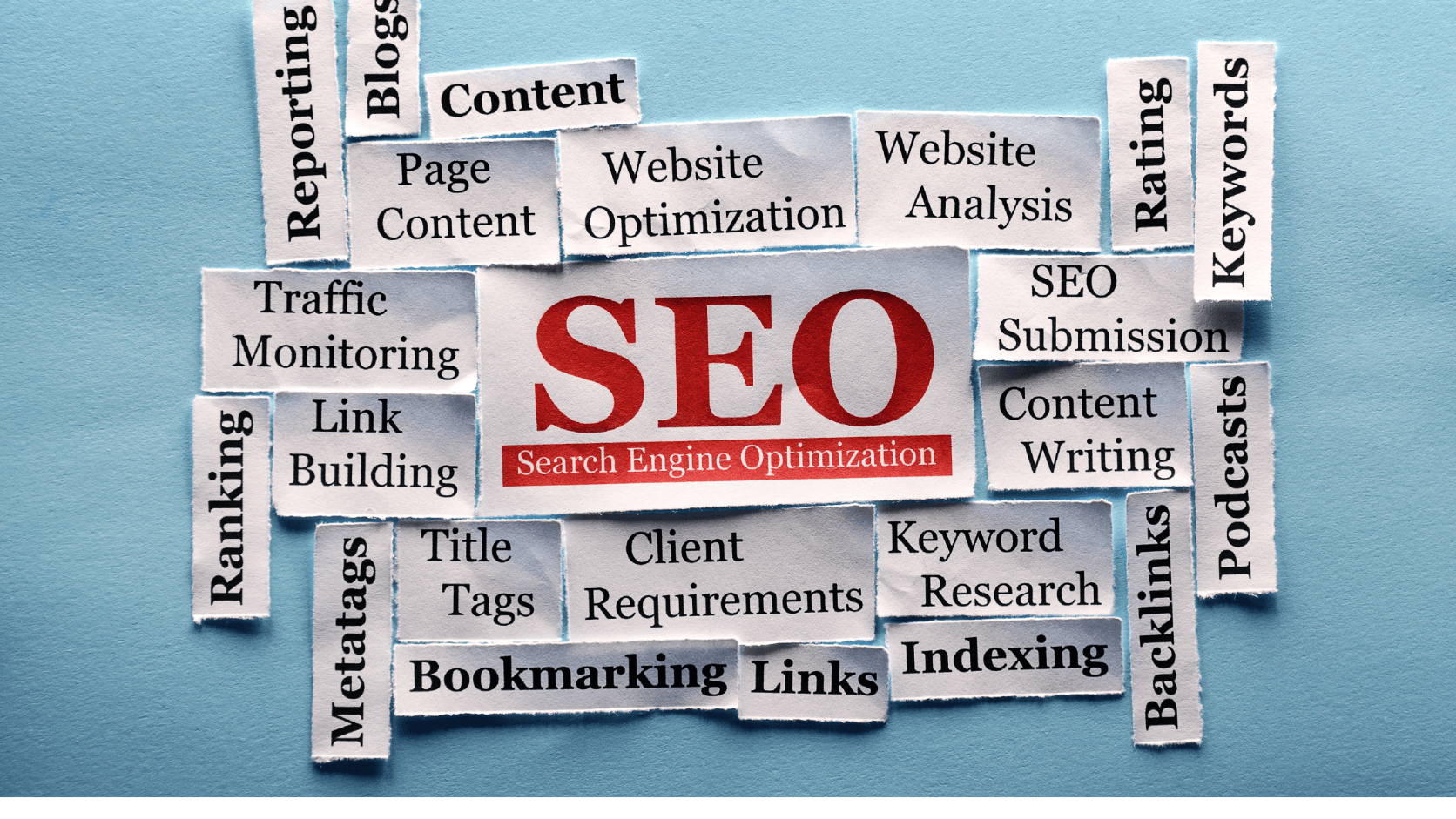
Guaranteed rankings may sound attractive, but in SEO, they often signal unrealistic promises rather than proven expertise. This blog explains why ranking guarantees should raise concerns, how Google’s algorithm makes fixed-position promises unreliable, and what businesses should evaluate instead when choosing an SEO agency. Learn how to identify transparent SEO strategies focused on sustainable growth, measurable performance, and long-term business results.
Every SEO sales conversation starts the same way. The buyer asks, "how quickly can you get us to the first page of Google?" It's a fair question; you're investing money and you want to know what comes back.
The trouble starts with how some agencies answer it. "We guarantee first-page rankings." "Top three positions in 90 days, guaranteed." It sounds reassuring. It suggests the agency has the outcome fully under control.
Here's the uncomfortable truth we tell every prospect at Zero Theory, sometimes at the cost of the deal: nobody controls Google. Rankings depend on hundreds of variables, competition, search intent, site quality, content relevance, technical health, authority, user behaviour, algorithm updates and whatever your competitors did last Tuesday. A good agency influences many of those variables. It controls none of the final outcome.
So when an agency sells you certainty where certainty doesn't exist, that's not confidence. That's a red flag, and arguably the biggest one in agency sales. This guide explains why, what a legitimate agency should promise instead, and the exact questions that separate the two in a single sales call.
What a "guaranteed ranking" actually means
Strip away the sales language and a ranking guarantee is always the same promise: specific keywords will reach specific positions within a defined period. Top 10 in 60 days. First page in three months. Guaranteed traffic. Guaranteed leads from organic.
Now look at what an agency genuinely controls: keyword research, site audits, technical fixes, page structure, content quality, internal linking, authority building, monitoring, reporting and strategy iteration. All real, all valuable, all deliverable.
And what it doesn't control: Google's ranking systems, competitors' activity, search demand, algorithm changes, new market entrants, shifts in intent, whether users click, and broader market conditions.
A guarantee that spans the second list is a promise written against someone else's system. That gap between controllable activities and uncontrollable outcomes is the entire argument of this article, and once you see it, you can't unsee it in a sales pitch.
Why rankings can't be honestly guaranteed
Search engines exist to surface the most useful result for a query, not to reward whoever completed the longest checklist. SEO isn't ten tasks in, position one out.
Picture two companies chasing the same keyword. Company A has a technically clean site but generic content, up against competitors with deep topical authority. Company B has fewer pages but publishes genuinely useful resources that nail the search intent. Run the identical optimization process on both and you'll get completely different outcomes, because the process improves the conditions under which a site competes; it doesn't dictate the finishing position.
That's why SEO is an optimization discipline, not a fixed-output service. Any agency claiming otherwise is either naive about how search works or hoping you are.
The three ways ranking guarantees go wrong
The keywords are rigged
The oldest trick in the book: "we'll rank you for 20 keywords, guaranteed." Impressive, until you inspect the keywords and find near-zero search volume, no buying intent, no competition and no connection to your actual customers. The agency fulfils the guarantee to the letter. Your business gains nothing.
Keyword quantity is never the measure. The only question that matters: will these keywords bring the right audience and create business value? If an agency won't show you volume, intent and commercial relevance per keyword before you sign, you already have your answer.
Rankings get confused with revenue
A ranking is a visibility metric, not a business outcome. You can hold position one and generate almost no customers, and we see it constantly: a software company ranking beautifully for an informational keyword searched by students and hobbyists. Traffic up, pipeline flat.
Real SEO strategy connects the whole chain: search intent to relevant traffic to engagement to leads to opportunities to revenue. For B2B especially, 500 qualified visitors beat 50,000 irrelevant ones every time. This is also why the agency-versus-outcome question runs far deeper than SEO alone; we've unpacked it fully in our guide to what a digital marketing agency costs in India, where the same
Guaranteed timelines breed shortcuts
Promise a fixed deadline and you create pressure to show movement fast. That pressure has a well-worn toolkit: low-quality backlinks, over-optimized anchors, keyword stuffing, thin content, automated pages at scale, manipulative link networks.
Not every agency offering a timeline uses these methods. But an unrealistic guarantee creates the incentive to priorities speed over sustainability, and you're the one holding the domain when the shortcuts catch up with it. The right partner explains what it will do, why, and what risks come with each tactic, before you ask.
What a legitimate agency should guarantee instead
Ranking guarantees are hollow. Process guarantees are not. A professional agency can and should commit to a defined scope of work with full accountability.
On the technical side: audits, crawlability and indexing fixes, canonical and sitemap reviews, broken link resolution, Core Web Vitals monitoring, structural improvements. On content: a keyword strategy mapped to intent, content briefs, agreed publishing volumes, page improvements, topic clusters and performance reviews. On authority: backlink research, relevant outreach, quality monitoring and a hard line against manipulative practices. On measurement: monthly reporting, keyword and traffic analysis, Search Console review, conversion tracking and strategy sessions.
Every item on that list is deliverable, verifiable and contractable. That's what accountability looks like when nobody's pretending to control Google.
Five questions that expose the difference in one call
Which exact keywords are you promising?
Demand the list with search intent, volume, competition, commercial relevance and current position for each. Evasion here tells you everything.
What happens when Google changes its algorithm?
A mature agency talks about monitoring and adaptation. An immature one insists the original plan will hold forever. Search engines refine constantly; your partner's answer reveals whether they've lived through an update or just read about one.
How do you define success?
Listen for qualified traffic, leads, conversion rates, revenue contribution and branded-versus-non-branded visibility. If the answer is purely rankings, you're talking to a keyword vendor, not a business partner.
Can you show relevant case studies?
A useful one covers the starting point, the challenge, the strategy, the timeline and the business outcomes. A screenshot of five keyword positions with no context is decoration, not evidence.
What's actually in the monthly engagement?
Cheap packages look great until you discover how little strategic work they contain. Ask specifically about technical work, content, links, reporting, meetings, competitor analysis and CRO. The cheapest agency is rarely the cheapest, a lesson that applies just as much when you're weighing agency versus in-house marketing models more broadly.
Other red flags from the same family
Guaranteed rankings travel with companions. Walk away when you hear: "We know Google's secret algorithm" (nobody outside Google does). "We have a special relationship with Google" (they don't). "You'll see thousands of backlinks next month" (volume without relevance is a liability, not an asset). "You don't need to worry about the details" (in a long-term relationship, opacity is a strategy, and it's not one that serves you). "We guarantee traffic regardless of your website" (traffic into a site with weak UX and broken conversion paths is water into a cracked bucket).
The pattern connecting all of these: certainty sold in places where honest practitioners offer process and evidence.
What good reporting looks like
A monthly report should answer five questions: What changed? Why? What did we do? What worked? What's next?
Instead of a spreadsheet with 400 keyword positions, a decision-grade report covers organic clicks and impressions, the keyword movements that matter, landing-page performance, technical improvements shipped, content published, links acquired, conversions, and next month's priorities. If your current agency's report doesn't help you make a decision, it isn't a report. It's an invoice justification.
SEO is an investment, not a slot machine
The deepest damage ranking guarantees do is to your mental model. They frame SEO as: pay agency, receive rankings. Reality looks like: research, technical foundation, useful content, authority, measurement, iteration, business outcomes.
Some wins land fast; a technical fix can move things in days. Others, like genuine topical authority, take months of compounding. That variation isn't a failure of the agency. It's how organic growth works, and a trustworthy partner says so upfront rather than papering over it with a deadline.
Evaluating agencies in 2026: the bar has moved
Search is no longer ten blue links. Visibility now spans traditional organic results, AI-generated search experiences, brand mentions, content authority, structured data, user experience and conversion journeys. At Zero Theory we treat classic SEO as the foundation with GEO and answer-engine visibility built on top, because that's where discovery is actually happening in 2026.
Which raises the bar for any partner you hire: they need to understand your website as a product, not a keyword container, and work fluently across marketing, development, UX and business stakeholders. An agency still selling 2019-style position guarantees hasn't just got the ethics wrong. It's optimising for a version of search that's disappearing.
A better way to think about guarantees
Confidence isn't the problem. Misplaced confidence is.
Good confidence sounds like: "We have a defined process. We'll show you exactly what we're doing. We'll measure the outcomes that matter. We'll adapt when the data says so. We'll tell you honestly what's working and what isn't."
The questionable version sounds like: "Give us 90 days and we guarantee position one."
The first builds a partnership. The second sells certainty. Choose the agency confident about what it controls, and sceptical, on your behalf, about everything it doesn't.
Conclusion
A ranking guarantee should trigger more questions, never fewer. Rankings depend on factors no agency controls, so a professional partner focuses on the variables it can influence and measures the business outcomes that matter: clear strategy, relevant keywords, technical depth, quality content, sustainable authority, transparent reporting and realistic expectations.
The best SEO relationship isn't built on a promise of position one. It's built on trust, evidence, continuous optimization and measurable business value.
If you want to see what that looks like in practice, talk to Zero Theory. We won't guarantee you a Google position, and now you know exactly why that's the strongest signal we could send. What we will do: show you our process, the keywords worth fighting for, how we measure revenue contribution, and how AI-era search changes the plan for your business specifically. Bring us the promises other agencies have made you, and we'll happily tell you which ones hold up.